Biggest Cloudsurfer Max Running Shoe Buying Mistakes (And How to Avoid Them)
The Cloudsurfer Max Running Shoe has become a talking point among runners looking for a plush, high-stack daily trainer. It promises comfort, an energetic ride, and a modern silhouette — all attractive qualities. Yet many buyers make predictable mistakes that undermine their satisfaction with the shoe. This article breaks down the most common buying errors, explains why they happen in real-world use, and offers practical steps to avoid them. The tone is editorial and helpful: the goal is to equip prospective buyers with the knowledge to make a confident choice.
Introduction: Why the Cloudsurfer Max Draws Attention — and Mistakes
High-cushion running shoes sit at a crossroads of comfort and performance. The Cloudsurfer Max appeals to runners who prioritize cushioning for long runs, recovery days, or all-day comfort. That attractiveness, however, leads to assumptions: that more cushion is always better, that size can be guessed from past models, or that marketing images represent how shoes perform under real conditions. These assumptions give rise to avoidable mistakes. Understanding the shoe’s characteristics and common buyer pain points helps buyers match the product to their needs.
Detailed Product Review and Analysis
Design and Materials
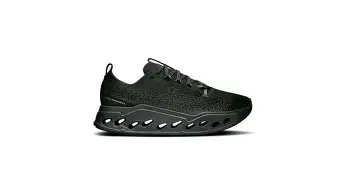
The Cloudsurfer Max emphasizes a plush midsole and a soft upper. The materials typically include a high-volume foam midsole and a breathable engineered mesh or knit upper. The construction aims to deliver a soft land-and-roll sensation that reduces perceived impact. In practice, the shoe’s aesthetic and material choices make it comfortable for steady-state runs and long easy sessions, but they can also mask fit and stability caveats if the buyer is not careful.
Fit and Sizing
Fit is one of the most frequent sources of complaints. The Cloudsurfer Max often runs true to the brand’s last, but differences in foot shape — narrow versus wide forefoot, high versus low arch, and heel breadth — affect the outcome. Runners who buy the shoe strictly based on their size in a daily trainer without accounting for the Cloudsurfer Max’s internal volume sometimes experience slippage, pressure points, or a feeling of instability on faster segments.
Cushioning and Ride
The defining feature is the beefy midsole. In everyday use this delivers a soft, forgiving ride that reduces fatigue over longer distances. However, excessive cushioning can feel inefficient for tempo work, short races, or runners who prefer ground feedback. The midsole’s energy return and compression characteristics influence performance: a responsive foam helps, whereas a sluggish foam makes the shoe feel ponderous during quicker efforts.
Outsole and Traction
Outsole design usually balances durability and grip for pavement. Buyers who plan to use the shoe on mixed surfaces — wet streets, gravel, light trails — should evaluate the outsole pattern and rubber compound. Some versions of max-cushion shoes sacrifice aggressive rubber coverage for lighter weight, which reduces long-term outsole durability and wet-surface traction.
Durability and Long-Term Use
High-volume foams can compress over time (compression set), affecting cushioning and stability after several hundred miles. The upper’s knit or mesh can also show wear if the shoe is used for activities beyond running (e.g., gym circuits, hiking). Real-world durability will depend on mileage, gait, and surface conditions; buyers should set realistic expectations about lifespan and replacement interval.
Performance Across Use Cases
- Long easy runs and recovery days: The Cloudsurfer Max excels, offering comfort and impact absorption. - Daily mileage: Good for runners seeking protection and reduced fatigue. - Tempo runs and races: Less ideal unless the foam is unusually lively; many runners will prefer a lighter, firmer trainer. - Cross-training or gym use: Possible, but the shoe’s stack and roll may feel unstable for lateral work.
Top Buying Mistakes and How to Avoid Them
Below are the most common mistakes buyers make when choosing the Cloudsurfer Max, each followed by clear, actionable advice.
Mistake 1: Assuming “More Cushion” Solves All Comfort Problems
Why it happens: High stack height creates a perception of ultimate comfort, and many buyers equate cushion with universal comfort.
How to avoid it: Assess the type of running. If the majority of runs are easy and long, the Cloudsurfer Max is appropriate. For faster sessions, consider a lighter, firmer alternative. Test the shoe at race pace before committing to it as a primary trainer.
Mistake 2: Buying Online Without Measuring Foot Dimensions
Why it happens: Convenience and confidence in past sizing lead people to reorder the same number without checking changes in foot size due to weight, age, or pregnancy.
How to avoid it: Measure foot length and width standing at the end of the day. Compare those measurements to the brand’s size chart. If buying online, pick retailers with a generous return policy and keep the box to allow an easy exchange.
Mistake 3: Ignoring Gait and Pronation Needs
Why it happens: The Cloudsurfer Max’s cushioning can hide stability issues, causing buyers to overlook whether they need a stability feature or orthotic support.
Looking for the best Electronics deals on Amazon?
Browse Now →How to avoid it: Get a gait analysis at a running specialty store. If overpronation or underpronation is present, try the shoe with your usual orthotic or select a model with dedicated support technologies. Always test how the shoe feels after adding orthotics if they will be used regularly.
Mistake 4: Buying the Wrong Width for the Foot Shape
Why it happens: Many runners assume one width fits all or choose a narrow version for a sleeker look.
How to avoid it: Try both standard and wide versions if available. Walk and run on a treadmill for at least a few minutes to feel how the forefoot spreads under load. A cramped toe box leads to blisters and black toenails; a box that’s too loose causes friction and instability.
Mistake 5: Expecting Race-Day Performance from a Max-Cushion Trainer
Why it happens: Marketing imagery and testimonials often blur use cases, leading buyers to expect one shoe to serve daily miles and race pace.
How to avoid it: Define use cases before purchase. Use the Cloudsurfer Max as a daily trainer and recovery shoe; keep a lighter, more responsive pair for speedwork and races.
Mistake 6: Neglecting Socks and Lacing Technique
Why it happens: Buyers focus on the shoe and ignore socks and lacing, both of which significantly affect fit and comfort.
How to avoid it: Choose performance socks with appropriate cushioning and moisture-wicking fibers. Learn simple lacing techniques for heel lock, pressure relief, or wide forefoot to reduce slippage and hotspots.
Mistake 7: Overlooking Return Policies and Break-in Time
Why it happens: Eagerness to start running in a new shoe leads to insufficient testing and reluctance to return or exchange.
How to avoid it: Confirm the retailer’s return/exchange policy before purchase. Perform a structured in-store or at-home test: walk, run a short loop, and do a few faster strides to understand the shoe’s behavior across paces.
Mistake 8: Using a Max-Cushion Shoe for Lateral or Court Sports
Why it happens: The cushioning is appealing for gym classes and casual cross-training, but the shoe’s design may not provide lateral stability.
How to avoid it: Reserve the Cloudsurfer Max for running and walking. For court sports or HIIT sessions, choose footwear designed for lateral support and firm bases.
Mistake 9: Failing to Rotate Shoes
Why it happens: Many runners stick to a single pair until it wears down, accelerating foam breakdown and injury risk.
How to avoid it: Rotate between at least two pairs when weekly mileage is high. Alternating shoes extends foam life and offers varied loading patterns for lower injury risk.
Discover deals on Electronics — updated daily.
View Offers →Pros & Cons
- Pros:
- Excellent cushioning for long, easy runs and recovery sessions
- Comfortable, modern upper materials with good breathability
- Reduced impact stress, which can benefit heavier runners or those returning from injury
- Appealing day-to-day comfort for walking or travel
- Cons:
- Less responsive for tempo sessions and faster running
- Potential for stability issues for some foot shapes at higher paces
- Higher stack height can increase risk of ankle roll on uneven terrain
- Foam compression over time may reduce long-term cushioning
Quick Comparison Table
| Characteristic | Cloudsurfer Max | Standard Max-Cushion Trainer | Lightweight Tempo Trainer |
|---|---|---|---|
| Cushion Level | High — plush, protective | Moderate to high | Low to moderate — firmer |
| Intended Use | Long runs, recovery, daily comfort | Daily training with some versatility | Speed work, races, tempo sessions |
| Responsiveness | Medium — soft feel can feel sluggish for quick paces | Medium to high | High — snappy |
| Stability | Moderate — depends on foot shape and gait | Moderate — often balanced | Lower lateral support, but firm platform |
| Best For | Long easy mileage, recovery days, walkers | All-around training | Fast training and racing |
Buying Guide: Practical Steps Before Purchase
1. Define the Primary Use
Clarify whether the shoe will be used for daily mileage, long runs, tempo sessions, or mixed activities. If the Cloudsurfer Max will serve as the main daily trainer, ensure the buyer is comfortable with a soft, protective ride. If the shoe will see speedwork or racing, consider an additional dedicated shoe.
2. Measure Feet and Check Width
Measure feet standing up at the end of the day. Compare length and width against the manufacturer's sizing chart. When in-store, try the shoe with the socks you normally run in. Ensure approximately a thumb's width between the longest toe and the front of the shoe.
3. Test with a Short Run
Walk and run for at least 10–15 minutes if possible. Include a few faster strides and gentle turns to evaluate heel lockdown and forefoot security. Pay attention to hotspots, heel slippage, and any lateral instability.
4. Consider Gait and Support Needs
If a gait analysis shows pronation or a need for medial support, bring orthotics to test in the shoe or try versions that include structural supports. If the shoe lacks built-in stability, test how aftermarket insoles change the fit and ride.
5. Understand Return and Exchange Policies
When buying online, verify the return window and whether used-but-tried shoes are accepted for exchange. Keep original packaging until satisfied. Return-friendly retailers reduce the risk of being stuck with the wrong pair.
6. Plan for Break-In and Rotation
Allow one to two weeks of mixed short runs before trusting the shoe for long efforts. Rotate with another shoe to spread out foam compression and give the legs variety in loading.
7. Check Outsole and Terrain Compatibility
Examine outsole rubber coverage and tread pattern. If the shoe will be used on wet pavement, light trails, or gravel, ensure the outsole offers sufficient grip. Consider dedicated trail shoes for consistent off-road running.
8. Factor In Weight, Packability, and Travel Use
For travel or airport walking, the Cloudsurfer Max’s comfort makes it appealing. Confirm how the shoe’s bulk affects packing and whether it meets carry-on or checked baggage preferences for frequent travelers.
9. Budget and Replacement Cycle
Set expectations for lifespan. High-cushion shoes often need replacement between 300–500 miles depending on runner weight and use. Factor replacement cost into the total value assessment rather than the initial price alone.
Real-World Use Cases Buyers Care About
1) The marathoner using the Cloudsurfer Max for early-season long runs will appreciate the reduced impact, but should avoid using it exclusively for long tempo workouts. 2) The commuter who walks and stands all day benefits from the plush midsole for comfort, though outsole durability matters for urban surfaces. 3) The heavier runner looking to mitigate joint stress will find the high-volume foam protective, but must test for lateral stability to avoid ankle misalignment. 4) The runner returning from injury can use the shoe for gradual mileage buildup, pairing it with a measured rehabilitation plan. These scenarios underline the importance of matching expectations to real shoe behavior rather than marketing claims.
Maintenance and Longevity Tips
- Rotate shoes to slow foam compression. - Avoid machine washing; clean the upper with a soft brush and mild soap, and air dry. - Replace shoes when cushioning feels noticeably compressed or when outsole tread wears unevenly. - Store shoes in a cool, dry place to prevent material breakdown.
Conclusion
The Cloudsurfer Max Running Shoe can be an excellent choice for runners who prioritize cushioning, long-run comfort, and day-to-day wearability. The most common buying mistakes stem from mismatched expectations: assuming cushion equals versatility, neglecting fit and gait, and underestimating the importance of testing the shoe across paces and surfaces. Buyers who measure their feet, define their running needs, test with a short run, and plan for rotation and replacement will get the most from the Cloudsurfer Max. With informed selection and realistic use, the shoe delivers on its promise of protection and comfort without unpleasant surprises.