Difference Between Steam Frame and Meta Quest 3 Explained
Category: Electronics
Introduction
Virtual reality and mixed-reality hardware have matured rapidly, and buyers now face a choice not just of price and image quality but of platform, ecosystem, and intended use. Two names that come up in discussions are the Steam Frame and the Meta Quest 3. This article breaks down the differences between the two, explains real-world use cases for each, and highlights the practical considerations that typical buyers care about — performance, content, comfort, connectivity, and long-term value.
For clarity: the Meta Quest 3 is a widely known consumer headset that targets a hybrid of standalone and PC-streamed experiences. The Steam Frame represents a PC-focused, SteamVR-compatible approach to immersive experiences — a platform-centered device that prioritizes access to the Steam ecosystem and high-end PC rendering. Readers should use this comparison to match hardware choices to their priorities: mobility and convenience versus raw fidelity and PC interoperability.
High-level comparison
At a glance, the differences fall into a few clear categories:
- Primary platform: Meta Quest 3 emphasizes a standalone experience with optional PC streaming; Steam Frame emphasizes PC-native experiences via the Steam ecosystem.
- Performance model: Meta Quest 3 balances onboard processors and cloud/PC streaming. Steam Frame leans on a connected PC for rendering horsepower.
- Content access: Quest uses Meta’s storefront with Android-based apps plus optional access to SteamVR via PC connection; Steam Frame centers on Steam’s library and native SteamVR titles.
- User priorities: Quest 3 suits casual to serious users wanting convenience and mixed-reality features; Steam Frame suits enthusiasts who prioritize high-fidelity visuals, mods, and PC-level flexibility.
Detailed product analysis
Meta Quest 3 — overview and real-world behavior
The Meta Quest 3 positions itself as a versatile, user-friendly headset that appeals to mainstream buyers and VR enthusiasts who value convenience. It combines a standalone processor and battery with robust sensors and cameras for inside-out tracking and mixed-reality passthrough. In daily use, the Quest 3 shines for quick sessions, social VR, fitness, and media consumption. Because it is self-contained, a buyer can put it on and jump into an app without configuring a PC or cables.
Common real-world use cases for Quest 3 include:
- Casual gaming and party experiences — quick sessions with friends or family.
- Fitness and guided workouts that use room-scale tracking without extra sensors.
- Mixed-reality apps for productivity and spatial planning where passthrough helps overlay virtual objects on the real world.
- Streaming movies and 360° video in a portable way on long trips or in a living room.
Buyers typically care about intuitive setup, a strong library of standalone apps, good hand tracking, comfortable ergonomics for longer sessions, and reliable social features. The Quest 3 generally meets these needs, with trade-offs in raw graphical fidelity compared with PC-driven systems when demanding visuals are required.
Steam Frame — overview and real-world behavior
The Steam Frame represents a PC-centric approach: a headset tightly integrated with the Steam ecosystem and optimized for SteamVR titles. In practice, this type of hardware is designed for users who own or are willing to invest in a capable gaming PC to deliver the highest rendering quality. The Steam Frame’s strengths appear most clearly in scenarios that demand maximum visual fidelity, extensive modding, and compatibility with a broad set of PC VR tools.
Real-world use cases for a Steam-focused headset include:
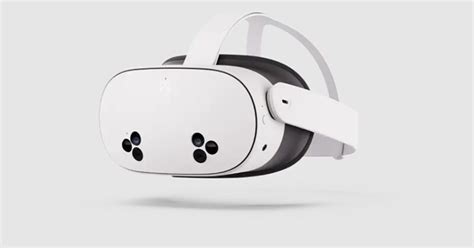
- High-fidelity room-scale VR for simulation titles, racing, and flight sims where frame rate and resolution are critical.
- Enthusiast setups that pair with motion platforms, custom controllers, or aftermarket tracking accessories.
- Developers and creators who need direct access to SteamVR tooling, debugging, and PC file systems.
- Players who want access to the vast catalog of SteamVR games, mods, and community-created content.
Buyers concerned with absolute performance, low-latency wired connections, and a deep catalog of PC-native experiences often prefer a SteamVR-first headset. The trade-offs are less portability and a higher total cost of ownership, since a capable PC and possibly extra accessories are needed.
Technical and practical differences
Below are the aspects that most influence purchase decisions, with a look at how each platform typically handles them.
Find top-rated Electronics products at great prices.
Browse Now →Performance and graphics
Steam Frame (PC-driven): Because the heavy lifting is done by a desktop GPU, graphical fidelity, frame rates, and rendering options scale with the connected computer. Users can enable higher-quality shaders, supersampling, and advanced visual mods. This yields the best possible visuals for demanding sims and AAA VR titles.
Meta Quest 3 (standalone with PC streaming option): The Quest 3 uses an internal system-on-chip for native apps and supports PC streaming either over a local network or via cable. While modern standalone silicon has improved, it typically cannot match a high-end PC GPU. Streaming narrows the gap but may introduce latency or require a very good local network for optimal results.
Tracking and controllers
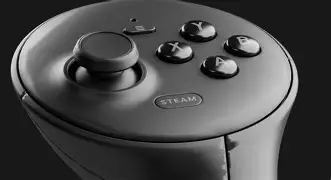
Both systems commonly use inside-out tracking via onboard cameras, which simplifies setup. Steam Frame setups may optionally support external trackers (base stations, external sensors) for the lowest-latency, highest-accuracy tracking used in industry and enthusiast rigs. Quest 3 focuses on accurate inside-out tracking and refined controller ergonomics for common consumer scenarios.
Comfort and ergonomics
Comfort depends on weight distribution, padding, and strap design. Standalone headsets tend to be optimized for lighter weight to preserve battery life and reduce fatigue during mobile use. PC-focused headsets may prioritize cooling and add features that slightly increase weight but improve sustained comfort for long sessions. Buyers should assess fitting, adjustability, and how the device balances on the head for games, work sessions, or long flight sim runs.
Content and ecosystem
Steam Frame: Full access to Steam’s library of VR titles, community mods, and developer tools. Steam users value the sheer volume of titles, frequent sales, and community-driven content.
Meta Quest 3: Meta’s store emphasizes polished standalone apps and experiences, social platforms, and fitness titles. Quest 3 users also gain access to many PCVR titles through optional streaming, though not all Steam titles are guaranteed to be optimized for the Quest’s input and performance model.
Price and total cost of ownership
Steam Frame alone may be similar in headset price to higher-end alternatives, but the real cost includes a capable gaming PC and any external tracking hardware. The Quest 3’s headline cost covers most use cases, although optional accessories (better straps, external batteries, link cable) add to the expense. For budget-conscious buyers who do not already own a gaming PC, the Quest 3 often offers a lower initial outlay.
Privacy, software updates, and long-term support
Meta operates a centralized store and pushes frequent firmware and software updates; there are ongoing debates about privacy, account requirements, and platform policies. Steam’s platform model gives more openness for community content, although it relies on the user’s PC for software updates and driver management. Buyers concerned with data policies and ecosystem control should evaluate the vendor policies beyond raw hardware specifications.
Pros & Cons
Meta Quest 3 — Pros & Cons
- Pros:
- Standalone convenience — no PC required for many apps.
- Strong mixed-reality passthrough and spatial computing features.
- Accessible price for many buyers compared with full PC setups.
- Easy setup, wide consumer app catalog, and social/fitness-first titles.
- Cons:
- Native graphics limited by onboard hardware compared with high-end PCs.
- Some titles and mods on PC may not be accessible or optimized when streamed.
- Platform policies and account requirements may concern privacy-minded users.
- Battery life limits continuous untethered use.
Steam Frame — Pros & Cons
- Pros:
- High-fidelity visuals and performance when paired with a capable PC.
- Direct access to the SteamVR library, mods, and community tools.
- Greater flexibility for peripherals, custom setups, and developer workflows.
- Lower latency and more consistent framerate in wired configurations.
- Cons:
- Requires a gaming PC to unlock full potential — higher total cost.
- Less portable and more setup complexity than standalone headsets.
- Potential need for extra tracking hardware for some advanced setups.
- Not as convenient for quick social or mobile experiences.
Comparison Table
| Aspect | Meta Quest 3 | Steam Frame |
|---|---|---|
| Primary use | Standalone VR / mixed reality, casual and social use | PC-native VR, high-fidelity gaming and developer use |
| Performance | Good for standalone titles; PC streaming improves fidelity | Scales with PC GPU; best visual fidelity with high-end PC |
| Content ecosystem | Meta Store + streamed access to PC titles | SteamVR library, mods, tools, and community content |
| Tracking | Inside-out tracking, accurate for most users | Inside-out by default; supports external tracking for pros |
| Portability | High — standalone operation | Low — usually tethered to a PC for best results |
| Ease of setup | Very easy — minimal configuration | Moderate — requires PC setup and possible driver tuning |
| Price considerations | Lower initial cost; optional accessories add cost | Higher total cost when including a gaming PC |
| Best for | Casual users, social VR, fitness, mixed reality | Enthusiasts, simulators, developers, heavy-graphics titles |
Buying guide: how to choose between them
Choosing between a Quest 3-style headset and a Steam-first headset comes down to priorities. This section helps buyers weigh the factors that matter in everyday decisions.
1. Decide what experiences matter most
If a buyer primarily wants easy social VR, fitness apps, or mixed-reality tools with minimal fuss, a standalone-first headset is typically a better fit. If the buyer prioritizes high-end simulation, mod-supported titles, or has an existing gaming PC and peripherals, a Steam-centric headset is likely the better match.
Discover deals on Electronics — updated daily.
View Offers →2. Consider budget holistically
Look beyond the headset price to the total ecosystem cost: PC upgrades, tracking sensors, and controller accessories for Steam Frame; extra batteries, a link cable, or a better strap for Quest 3. For many, the Quest 3 offers a lower barrier to entry; for others, the long-term value of a PC-driven setup justifies the higher initial investment.
3. Evaluate space and setup tolerance
Does the buyer have a permanent play space and tolerance for cables and occasional calibration? If so, a PC-tethered option can be fine. For users who need flexibility to move the headset between rooms or travel, the standalone model is more practical.
4. Think about content ownership and flexibility
Steam’s open ecosystem appeals to buyers who value modding, frequent sales, and wide compatibility across titles. Meta’s ecosystem emphasizes polished, curated standalone content and social experiences. If a buyer wants to tinker and customize extensively, Steam’s model is preferable; if the buyer prioritizes plug-and-play experiences and curated apps, Quest 3 is attractive.
5. Check privacy and account preferences
Platform policies differ around accounts, telemetry, and store content. Buyers who are sensitive to account-linked ecosystems should read vendor policies and understand the implications of mandatory accounts or cloud services.
6. Try before buying when possible
VR comfort and ergonomics are subjective. Whenever possible, try both types of headsets in a store, demo event, or from friends. Trying reveals whether the strap, weight, and software interfaces suit the buyer’s use patterns.
7. Plan for future upgrades
Enthusiasts should consider how easy it is to upgrade components (PC GPU) or add peripherals. Owners of PC-centric systems enjoy incremental upgrades; standalone headset owners may need to replace the headset to get major performance jumps.
Real-world scenarios: which to pick
Here are concrete buyer profiles and the recommendation for each.
- The casual media and fitness user: Chooses the Quest 3 for easy setup, solid exercise apps, and hassle-free streaming of movies and social platforms.
- The simulation enthusiast: Chooses the Steam Frame with a beefy PC to get the highest fidelity, full peripheral support (yokes, pedals), and community-created mods.
- The mixed user who owns a gaming PC and values portability: May keep a Quest 3 as the everyday, portable device and use PC streaming for heavier experiences when at the desk.
- The developer or content creator: Chooses the Steam-focused platform for direct access to development tools and an open PC environment for testing and asset management.
Conclusion
Both the Steam Frame and the Meta Quest 3 occupy important places in the modern XR landscape. The Quest 3 emphasizes convenience, portability, and an approachable mixed-reality experience for a broad audience. A Steam-first headset emphasizes PC-driven power, deeper access to a mature library, and customization for enthusiasts and creators.
Which is better depends on the buyer’s priorities: convenience and ease of use versus maximum fidelity and extensibility. For most mainstream users seeking a straightforward path into VR and mixed reality, the Meta Quest 3’s standalone model is compelling. For hobbyists and professionals who already invest in PC hardware and prioritize VR’s peak visual and technical capabilities, a SteamVR-centric headset and the Steam Frame approach make more sense. Evaluating intended use, existing hardware, and tolerance for setup complexity will guide a satisfying choice.