Don't Buy the BackBeat Pro Wireless 2014 Until You Read This Full Analysis
Introduction
The Plantronics BackBeat Pro Wireless (2014) entered the market as a value-driven contender in the crowded over-ear Bluetooth headphone segment. At launch it pitched a long battery life, active noise reduction, and a feature set aimed at travelers and commuters who wanted a full-sized, wireless listening experience without the premium price tag of some rivals. This analysis takes a close look at how the BackBeat Pro performs in everyday scenarios, what its strengths and limitations are, and who should—and should not—consider buying one today.
Detailed Product Review and Analysis
Design and Build
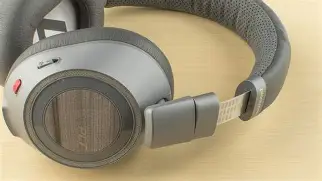
The BackBeat Pro follows a pragmatic design language: large, over-ear cups, a padded headband, and a mix of matte plastics with faux-leather surfaces. The headphones fold flat for packing and include a 3.5 mm wired option for passive listening. The construction prioritizes light weight and portability over high-end materials; in practice this means acceptable durability for travel, though the feel is less premium than metal-frame competitors.
Comfort is a strong point on short to medium listening sessions. The ear cushions are generous and isolate passively well. For extended flights or all-day wear, some users report the cushions running warm and developing pressure points—especially for those who wear glasses. The clamping force is moderate, which helps keep them stable in transit but can contribute to fatigue for a subset of listeners.
Sound Quality
Sonically, the BackBeat Pro tends toward a warm, consumer-friendly profile. The bass is present and impactful, which suits pop, hip-hop, and modern streaming content. Mids are serviceable, with vocals coming through clearly enough for casual listening, while treble is tamed to avoid brightness on poorly mastered tracks.
Critical listeners and those who prefer a neutral or analytical presentation will notice limitations: the soundstage is not particularly expansive and fine-detail retrieval lags behind higher-end audiophile models. However, for real-world use—commuting, airplane playback, and video streaming—the sound signature is engaging and forgiving, requiring little EQ adjustment for most listeners.
Active Noise Reduction (ANC)
The BackBeat Pro includes active noise-reduction aimed primarily at low-frequency cabin and engine noise. In practical terms, the ANC noticeably reduces steady-state rumble on trains and planes, making it useful for travel. It does not fully match the noise-cancellation performance of market leaders from the same era—those competitors typically deliver stronger attenuation across more frequency bands, including more aggressive suppression of mid-frequency noise.
Users should treat the ANC here as a meaningful convenience rather than a magic bullet: it improves comfort and listening clarity in noisy environments but does not create a silent listening chamber. When ANC is turned off, passive isolation is still decent thanks to the over-ear fit.
Connectivity and Features
Bluetooth pairing is straightforward and supports multipoint connections on many firmware builds, allowing the headphones to stay connected to two devices simultaneously (for example, a laptop and a phone). The BackBeat Pro also supports higher-quality Bluetooth codecs on compatible devices, which can improve perceived clarity when using an aptX-capable source.
Controls are physical buttons and switches mounted on the earcup. They provide tactile feedback and are easy to use even when the headphones are packed in a carry bag. Calls are handled by built-in microphones; call quality is acceptable in quiet indoor environments but degrades in wind or heavy traffic compared with headsets that use boom mics or more advanced beamforming arrays.
Find top-rated Audio & Headphones products at great prices.
Shop Amazon →Battery Life and Charging
One of the BackBeat Pro’s headline features is its long battery life. In routine usage it delivers many hours of playback on a single charge—enough for multiple long-haul flights. Charging is via micro-USB, which was common at the time of release. A wired connection allows continued listening when the battery is depleted, a useful fail-safe for long trips.
Because this model is from 2014, potential buyers should be aware of battery aging if purchasing used units: lithium-ion battery capacity diminishes over time, and older stock or second-hand units may not deliver the original run times.
Real-World Use Cases
The BackBeat Pro fits several common buyer profiles:
- Commuters and frequent flyers who value long battery life and noise reduction for low-frequency aircraft or transit hum.
- Remote workers who need comfortable headphones for music and occasional conference calls in relatively quiet home offices.
- Students looking for an all-purpose set for campus life—listening to lectures, streaming media, and casual gaming.
Where the headphones are less ideal is in professional studio use, competitive gaming (Bluetooth latency can be an issue), or for users who demand the best possible ANC and microphone performance for noisy-call-heavy days.
Pros & Cons
- Pros:
- Long battery life suitable for travel and long sessions
- Comfortable fit for many users, with well-padded earcups
- Solid passive and modest active noise reduction for low-frequency noise
- Wired option preserves usability when battery is dead
- Multipoint Bluetooth and codec support improve utility with multiple devices
- Reasonable value when compared to pricier flagships
- Cons:
- ANC performance lags behind the highest-performing competitors
- Materials and finish feel less premium; long-term durability is mixed
- Microphone performance is only average in noisy outdoor environments
- Ear cushions can run warm during extended wear
- Age of the model means firmware and support updates are limited
- Used-unit battery health can vary significantly
Comparison Table
| Feature | BackBeat Pro (2014) | Bose QuietComfort (typical competitor) | Sony WH-1000X Series (typical competitor) |
|---|---|---|---|
| ANC Performance | Good for low-frequency noise; not top-tier | Excellent; class-leading steady-state suppression | Excellent; adaptive and versatile across frequencies |
| Sound Signature | Warm, bass-forward; pleasant for mainstream music | Neutral-leaning, balanced for clarity | V-shaped with detailed presentation |
| Battery Life | Long—suitable for long travel sessions | Good—reliable for daily use | Very long—often among the best |
| Build & Materials | Plastic and faux-leather; lightweight | High-quality plastics and metal reinforcements | Premium plastics with comfortable finishes |
| Call Quality | Acceptable indoors; average in wind | Very good for voice calls | Good to very good with advanced mic processing |
| Portability | Folds flat; carry-friendly | Compact folding; travel-oriented | Folds; optimized for travel comfort |
| Price at Launch / Value | Positioned as value-oriented against flagships | Premium-priced; targets comfort and ANC buyers | Premium-priced; targets audiophile and traveler |
Buying Guide: What to Consider Before Purchasing
1. New vs. Used — Battery Health Matters
Because the BackBeat Pro is a model from 2014, many buyers today will encounter used or refurbished units. Lithium-ion batteries degrade over time, so assess battery capacity and whether the seller provides a return window. For heavy travelers, diminished battery life can erode one of the BackBeat Pro’s primary advantages.
2. Active Noise Cancellation Expectations
Understand the performance envelope: the BackBeat Pro’s ANC is effective for steady, low-frequency noise such as airplane engines or subway rumble, but it is not the same as the strongest ANC systems available. If the buyer spends a lot of time in very noisy environments and depends on near-complete isolation, higher-tier ANC models may be worth the premium.
3. Sound Preference and Use Case
The headphones are tuned for enjoyable everyday listening, which favors punchy bass and a forgiving treble. This is well-suited to commuters and casual listeners. If the intended use is critical mixing, mastering, or detailed genre listening, a flatter, more neutral headphone—or a wired studio reference—will be more appropriate.
4. Microphone and Call Needs
For frequent outdoors calls in windy or traffic-heavy conditions, the BackBeat Pro’s mic array can struggle compared with headsets explicitly optimized for voice. For office and home calls in quieter conditions, callers will generally find call clarity acceptable.
Shop the latest Audio & Headphones picks on Amazon.
View Offers →5. Comfort Over Long Sessions
Comfort ratings vary with head shape, hair, and whether the user wears glasses. The earcups are well-padded but can trap heat. Anyone planning marathon listening sessions should try the fit if possible or expect to alternate uses to limit fatigue and heat buildup.
6. Connectivity and Codec Support
Check device compatibility: the BackBeat Pro supports common Bluetooth codecs that can improve audio quality when paired with compatible phones or laptops. Multipoint functionality is helpful for switching between a phone and a laptop without constant re-pairing.
7. Future Proofing and Support
Because the model dates back several years, firmware updates and manufacturer support may be limited. Consider whether long-term support and replaceable parts are priorities; older models may lack ongoing firmware improvements or replacement pads available through the manufacturer.
8. Price vs. Alternatives
Assess the price in context. If the BackBeat Pro is available at a steep discount, it can represent very good value for travelers and casual listeners. If priced similarly to modern premium ANC models, the trade-offs in ANC, materials, and microphone quality become more significant.
Practical Tips for Owners and Buyers
- Test battery life and ask sellers for an estimate of remaining capacity on used devices.
- Verify multipoint behavior with the buyer’s primary devices—some firmware combinations behave differently.
- Bring or request a sound test with familiar tracks to judge whether the tonal balance fits the listener’s taste.
- When using onboard controls during travel, be mindful that physical buttons can wear; ensure they respond reliably before purchase.
- For office use, position oneself in quieter areas for calls when possible, or pair the headphones with a dedicated desk microphone for best voice quality.
Conclusion
The BackBeat Pro Wireless 2014 remains a compelling option for buyers who prioritize long battery life, a comfortable over-ear fit, and a warm, listener-friendly sound signature without paying flagship prices. Its active noise-reduction provides useful relief from low-frequency travel noise, and the wired fallback keeps the headphones usable even when the battery is depleted.
However, buyers should temper expectations regarding top-tier ANC, microphone performance in noisy outdoor scenarios, and material premium compared with newer or higher-priced models. The age of the design also introduces important considerations around battery health and manufacturer support if a used or refurbished unit is under consideration.
In short, for commuters, occasional travelers, and general listeners seeking a practical, travel-capable set of headphones that emphasizes battery life and ease of use, the BackBeat Pro can still be a sensible choice—provided buyers confirm battery condition and accept its trade-offs. For those who demand the very best noise cancellation, the cleanest call performance in windy conditions, or the most premium build, researching current-generation alternatives is recommended before making a decision.