Don't Buy Until You Read This: Macbook Pro 14 2021 vs Macbook Neo A18 Pro 2026
Choosing a laptop is rarely about the flashiest headline spec — it is about matching the machine to real-world needs. This article compares two flagship-class machines aimed at serious users: the Macbook Pro 14 (2021) and the Macbook Neo A18 Pro (2026). One is a well-known Apple workhorse introduced with the M1 Pro/Max era; the other is a newer 2026 entrant promising next-generation silicon and modern amenities. The goal here is not to crow about benchmarks, but to analyze how each machine will behave in typical use cases — photo and video editing, software development, office productivity, on-the-go work, and media creation — and to highlight the trade-offs buyers should weigh before making a decision.
Introduction: Why this comparison matters
Buyers today care about more than raw speed. They scrutinize battery life, display quality, ports, software ecosystem, repairability, and long-term value. For creative professionals, color accuracy and sustained heavy-load performance matter. For developers, terminal responsiveness, virtualization support, and compatibility with toolchains are essential. For frequent travelers, weight, battery longevity, and charging convenience are top priorities.
This comparison centers on those practical considerations. The Macbook Pro 14 2021 is a mature, consistent performer with a strong track record in macOS workflows. The Macbook Neo A18 Pro 2026, as a newer entrant, markets improvements in performance-per-watt, display technology, and connectivity. The article examines how those strengths translate to everyday experience and where compromises may exist.
Detailed analysis: Macbook Pro 14 (2021)
The Macbook Pro 14 launched a substantive design refresh for Apple’s Pro line. It replaced the long-running Touch Bar model with a return to a more port-rich design, reintroduced MagSafe charging, and shipped with Apple’s first-generation Pro silicon: the M1 Pro and M1 Max chips. Those chips brought a large jump in efficiency and multithreaded performance compared to prior Intel models.

Design and build
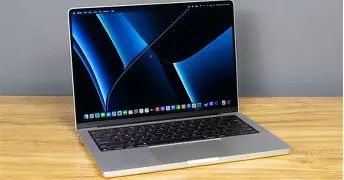
Apple’s unibody aluminum chassis remains a standout for fit and finish. The 14.2-inch Liquid Retina XDR display delivers high peak brightness, deep blacks, and wide color gamut that content creators appreciate. The form factor balances a 14-inch footprint with a display that feels roomy for editing timelines and code windows. The weight (~1.6 kg / 3.5 lb) and thickness make the machine portable without sacrificing thermal headroom.
Performance and thermal behavior
The M1 Pro and M1 Max chips use a unified memory architecture that blurs the line between CPU and GPU memory bandwidth, delivering very responsive performance in real-world tasks such as compiling medium-to-large codebases, editing 4K/6K video, and running VMs under constrained configurations. Sustained workloads — large exports, long renders — are handled well, although the chassis does have active cooling, and peak performance is constrained by thermals over very long runs.
Display and multimedia
The mini-LED Liquid Retina XDR panel offers outstanding contrast and brightness. For photographers and colorists who rely on Adobe, Final Cut, or DaVinci Resolve, the display provides a high-quality canvas. The machine also ships with a six-speaker sound system and a 1080p webcam, making it suitable for both content creation and virtual meetings.
Ports and expandability
Apple restored a more useful selection of ports: MagSafe 3 charging, three Thunderbolt 4 ports (USB-C), HDMI, an SDXC card slot, and a headphone jack. While user-upgradeable memory and storage are not possible, the wide port set reduces the need for dongles in daily work.
Software and ecosystem
macOS remains a major selling point: robust developer tooling, optimized applications for Apple silicon, and system-level power management that contributes to the excellent battery life. For users who rely on niche Windows-only applications, the platform may require additional strategy (dual-boot is not available for native Windows on Apple silicon), but virtualization solutions have matured.
Shop the latest Laptops & Computers picks on Amazon.
View Offers →Detailed analysis: Macbook Neo A18 Pro (2026)
The Macbook Neo A18 Pro (2026) is a newer entry positioning itself against established premium laptops. Its vendor emphasizes a modern display, aggressive thermal engineering, and flexible I/O. Because it is a 2026 design, it benefits from generational advances in display panels, charging, and wireless connectivity.
Design and build
The Neo A18 Pro adopts a metal chassis with an emphasis on thin bezels and a slightly larger display area in a similar 14–15 inch footprint. Build quality aims for a premium feel with slightly more focus on repairability and modularity — some configurations allow user-serviceable storage or easier access to thermal modules. The machine caters to users who value both aesthetics and pragmatic repair options.
Performance and thermal behavior
Neo’s A18 Pro platform claims a high-performance mobile SoC architecture and a discrete-class GPU option for graphics-heavy tasks. The brand emphasizes sustained performance: larger vapor-chamber cooling, higher sustained TDP envelopes, and tuned fan curves for longer peak performance runs. In practical terms, this means video encodes and long simulation jobs can maintain higher throughput for longer than thin-and-light competitors, though fans may be audible under load.
Display and multimedia
As a 2026 flagship, the Neo A18 Pro commonly offers OLED or advanced mini-LED panels with very high contrast ratios and potentially higher refresh rates for smoother UI interactions. For content creators the panel can be factory-calibrated for wide color gamuts. Audio systems emphasize stereo separation and powerful output, though configurations vary by region and SKU.
Ports and upgradeability
Neo appears to aim for maximum versatility: multiple USB-C/Thunderbolt ports, full-size HDMI 2.1, and an SD card slot with faster UHS support. Unlike many tightly sealed ultraportables, some Neo configurations advertise more straightforward access to storage and RAM for upgrades, which appeals to power users who plan to keep a machine for several years and potentially upgrade drives.
Software and ecosystem
The Neo runs mainstream operating systems (Windows or Linux) and positions itself as a flexible platform for developers, gamers, and creative professionals who prefer an open ecosystem. This flexibility can be an advantage where specialized tools or custom workflows are required, but it also means users need to assess driver maturity (especially for new SoCs) and app optimization on day one.
Pros & Cons
Macbook Pro 14 (2021)
- Pros:
- Outstanding macOS optimization and app ecosystem for creative/professional workflows
- Excellent display quality with high dynamic range (mini-LED XDR)
- Long battery life thanks to efficient Apple silicon and system-level optimization
- Robust build quality and reliable keyboard/trackpad experience
- Useful selection of built-in ports (MagSafe, HDMI, SD slot)
- Cons:
- Memory and storage are not user-upgradeable
- Higher price at comparable hardware specs versus some competitors
- Not ideal for users who require native Windows-only apps without virtualization
- Thermals limit sustained peak performance in extreme multi-hour workloads
Macbook Neo A18 Pro (2026)
- Pros:
- Modern display options and high refresh rates for smooth UI and media
- Potentially stronger sustained performance due to larger thermal envelope
- More flexible port selection and repairability/upgradeability on some SKUs
- Runs Windows/Linux natively, providing broad software compatibility
- Often includes newer connectivity standards (Wi‑Fi, Bluetooth, fast charging)
- Cons:
- Software optimization for new silicon may lag established ecosystems
- Battery life can vary widely depending on configuration and OS power management
- Heavier or louder under load compared with fanless or highly optimized alternatives
- Brand and long-term firmware/support track-record may be shorter compared to mature incumbents
Side-by-side comparison
| Category | Macbook Pro 14 (2021) | Macbook Neo A18 Pro (2026) |
|---|---|---|
| Release year | 2021 | 2026 |
| Typical display | 14.2" Liquid Retina XDR (mini-LED), high brightness, P3 | 14–15" OLED / advanced mini-LED options, high refresh rate |
| Processor | Apple M1 Pro / M1 Max (Apple silicon) | Next-gen high-performance mobile SoC (vendor-dependent) |
| Memory | Unified memory up to vendor-configured max (soldered) | Configurable; some SKUs may allow user upgrades |
| Storage | Fast PCIe NVMe SSD (non-upgradeable) | Multiple configurations; some models allow drive swaps |
| Ports | MagSafe 3, 3× Thunderbolt 4, HDMI, SDXC, headphone jack | Multiple Thunderbolt/USB-C, HDMI 2.1, SD slot, full-size USB options |
| Operating system | macOS (optimized for Apple silicon) | Windows / Linux (depending on SKU and region) |
| Battery life (real-world) | Very good for mixed use; exceptional for media playback and light workflows | Varies by config and OS; top-end SKUs may trade battery for performance |
| Weight | ~1.6 kg / 3.5 lb | Varies; typically similar or slightly heavier depending on cooling |
| Repairability | Low — sealed and soldered components | Moderate — some configurations prioritize access and upgrades |
| Best for | macOS-focused creatives, developers using Apple ecosystem, power users seeking battery life | Users who need flexible OS choice, upgradeability, and sustained performance |
Real-world use cases and practical advice
Photo and video creators
For editors and colorists who rely on Final Cut Pro, the Macbook Pro 14 2021 remains extremely compelling: tight hardware/software integration and a class-leading display simplify color work. Neo A18 Pro may offer similar raw horsepower and a vibrant OLED panel; however, color pipeline compatibility and application optimizations (Premiere, DaVinci) should be verified prior to purchase.
Software developers
Developers who value speed, battery life, and a Unix-like shell will appreciate macOS on the Macbook Pro. Native support for popular languages and tools is strong. On the other hand, developers who need Windows-native environments, certain virtualization scenarios, or custom kernel work may prefer the Neo for its native Windows/Linux support and potential for hardware upgrades.
Shop the latest Laptops & Computers picks on Amazon.
Shop Amazon →Students and professionals on the move
Battery life, display clarity for long reading sessions, and weight matter most here. Macbook Pro’s polished battery management and consistent real-world endurance are strong advantages. The Neo may present better value or extra ports, but buyers should check battery behavior under their typical mixed workload.
Gamers and 3D artists
macOS has improved in creative tooling but remains a weaker gaming platform relative to Windows. If gaming performance or real-time 3D work is critical, Neo’s Windows configurations with discrete-level GPU options could be preferable.
Buying guide: What to consider before deciding
Use this checklist to match the machine to the buyer’s priorities.
- Primary software ecosystem: If the majority of daily apps are macOS-first (Final Cut, Logic Pro, Xcode), the Macbook Pro is a natural fit. If Windows-only apps or custom Linux workflows dominate, Neo may be better.
- Battery life vs sustained performance: Decide whether peak performance over a single benchmark or sustained throughput during multi-hour renders matters more. Macbook Pro favors efficiency; Neo often favors higher sustained TDP.
- Display needs: For color-critical work, check panel calibration, factory reports, and review test measurements when available. High refresh rate panels look and feel smoother for UI work, but color-critical tasks need accurate calibration.
- Ports and dongles: If an SD card slot, HDMI, or multiple Thunderbolt ports are essential without adapters, compare the exact port list of each SKU.
- Upgradeability and repairability: Plan expected lifespan. If upgrading storage or memory later is likely, Neo’s more modular options could reduce long-term cost.
- Weight and travel considerations: Measure the trade-offs between cooling hardware and portability. If the laptop will be carried daily, prioritize lighter models and consider battery capacity.
- Support and warranty: Evaluate local service options and warranty terms. Established brands may offer faster repairs or more consistent firmware updates.
- Resale value: Historically, MacBook Pros retain higher resale prices; this may offset a higher upfront cost.
- Noise tolerance: If silence during work is important (library, audio editing), check fan behavior under realistic loads — Neo’s higher cooling may produce audible noise during sustained heavy tasks.
How to test before you buy
Whenever possible, try to:
- Run your most-used apps side-by-side (or ask for a demo) to validate responsiveness, thermal throttling, and battery life.
- Check the exact SKU’s display with sample media you work with (raw photos, video files) to evaluate color and contrast.
- Measure real battery life for your workload (e.g., video editing, coding with multiple terminals, streaming and browsing) rather than relying solely on studio benchmarks.
- Confirm driver maturity for any specialized peripherals or external GPUs if those are part of your workflow.
- Consider the total cost of ownership: warranty, external accessories (docks, adapters), and likely storage/RAM needs over time.
Conclusion
Both machines target demanding users but approach the problem differently. The Macbook Pro 14 (2021) is a proven, mature platform that rewards users who live inside the Apple ecosystem: superb display, long battery life, and strong macOS-optimized application performance. The Macbook Neo A18 Pro (2026) represents what many buyers want from a modern flagship: aggressive sustained performance, flexible ports, and potential upgrade paths — all attractive if native Windows/Linux compatibility and long-run thermals are priorities.
Ultimately, the right choice depends on the buyer’s workflow. If the work is macOS-centric, values battery life and color-accurate displays, and prioritizes a tightly integrated experience, the Macbook Pro is hard to beat. If the buyer needs raw sustained throughput for long renders, native support for a wider variety of software, or expects to keep and upgrade hardware components over time, the Neo A18 Pro deserves serious consideration. Neither is a universally better pick; each is tailored to a different set of real-world trade-offs. Prospective buyers should test the specific configurations they plan to use and weigh the checklist above before committing.