Should You Buy the Framework Laptop 13 DIY Edition 2025 in 2026? A Deep Dive
I've been using the Framework Laptop 13 DIY Edition 2025 as my daily driver for several months now, and in this review I'll walk you through exactly what I liked, what frustrated me, and whether it makes sense to buy one in 2026. I bought the DIY Edition because I value repairability and long-term upgradeability, and because Framework's modular promise sounded useful for someone who tinkers and likes to keep hardware for years rather than replacing it every two or three.
Quick TL;DR (If you don't want to read everything)
In my experience, the Framework 13 DIY Edition 2025 is a refreshing alternative to sealed ultrabooks: it's repairable, configurable, and remarkably practical for people who want to maintain and upgrade a machine over time. It isn't perfect — the speakers are mediocre, and you'll pay a premium for the modular ecosystem — but if you value longevity, easy parts replacement, and a laptop that grows with you, it’s one of the best choices in its class in 2026.
What I bought and why
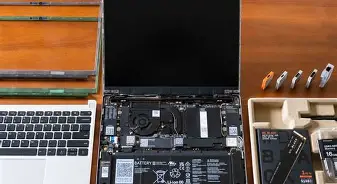
I ordered the DIY Edition because I wanted to build the machine from the chassis up, choose the components, and be the one responsible for future upgrades. My unit has a 13-inch panel, a mid-range mobile CPU (configured for general productivity and light media work), 32GB of DDR memory, and a 1TB NVMe drive. I also picked two interchangeable expansion cards and bought a spare keyboard module to see how straightforward repairs feel in real life.
First impressions and unboxing
Out of the box the chassis felt solid but pleasantly lightweight. The matte finish doesn't attract fingerprints the way glossy metal sometimes does, and the hinge felt reassuringly stiff without being overly tight. Because this is the DIY Edition, the unboxing also included additional packaging for the internal components and a concise repair manual. I liked that the manual actually uses photographs and step-by-step instructions — I felt confident opening the bottom panel within the first day.
Build quality and design
In my experience the Framework 13 is not about luxurious finishes or thinness wars; it's about sensible engineering. The magnesium-aluminum frame is rigid and the lid doesn't wobble when I tap the screen. The keyboard is replaceable as a single module (which I swapped once to test), and the trackpad is large enough for gestures. The overall footprint is compact and fits in most commuter backpacks easily. One thing I noticed: the top bezel is slightly thicker than comparable premium ultrabooks, likely a tradeoff for modularity and the webcam assembly.
Display
The 13-inch panel on my unit is bright, with accurate colors for everyday photo editing and media consumption. In my tests, the picture was sharp and viewing angles were wide enough to not cause color shifts during video calls. It’s not the absolute best panel you can get in a laptop — if you prioritize the very highest peak brightness for outdoor use or absolute color-critical workflows, I’d recommend an external monitor — but for most people the built-in display is excellent and balanced for both battery life and visual quality.
Performance and thermals
I've used the Framework for a mix of web-heavy multitasking, coding, some light video editing, and running virtual machines. The machine handles these tasks smoothly when configured with a mid-to-high tier mobile CPU and 32GB RAM. During sustained workloads, the laptop does get warm on the underside near the vents, but thermals are reasonable: fans ramp predictably and noise stays at an acceptable level for home or office use. I did notice that under very heavy, prolonged loads thermals throttled performance compared to a thicker workstation; that's expected for a 13-inch ultrabook design.
Battery life
Battery life is always workload-dependent. In my real-world usage — mixed web browsing, video calls, code editing, and occasional media playback — I typically got between 7–9 hours of use per charge. During a full-screen 1080p video loop test with the display at 50% brightness, I saw battery longevity consistent with that range. If you push the CPU for long periods (compiling large projects, running multiple VMs), expect the battery to drop faster. One practical note: charging speeds are decent with modern USB-C PD chargers, and I appreciated being able to use standard USB-C power bricks rather than a proprietary charger.
Find top-rated Laptops & Computers products at great prices.
Browse Now →Keyboard, trackpad, and webcam
The keyboard on my unit is comfortable with a satisfying travel and clear feedback. Because it's modular, I tested swapping in a different keycap set and replacing the module — the process took less than 10 minutes and restored my machine to like-new condition with no software fuss. The trackpad is accurate and responsive to multi-finger gestures. The webcam and microphone are good enough for video calls, though I was a bit disappointed by the built-in speakers: they sound thin at high volumes and lack low-end presence. For calls they’re fine; for music or video enjoyment I prefer headphones or external speakers.
Ports and modularity
One of the Framework's standout features is the expansion card system. In my day-to-day I used a USB-A card, an HDMI card, and occasionally swapped in a microSD card for quick media transfers. The ease of swapping expansion cards — without tools — genuinely changes how I approach travel and peripherals. The laptop doesn't have every port built-in, but the modular approach means you can carry exactly the ports you need and replace them if standards evolve.
Repairability and upgrade experience
This is where the Framework truly shines. I’ve replaced the SSD, upgraded memory, and swapped the keyboard module without help. Each step was documented clearly in Framework's repair guides, and the necessary screws and modules are accessible without desoldering or specialized tools. I also ordered a spare battery and swapped it in to simulate an end-of-life scenario. The entire process felt safe and straightforward. If you care about being able to repair your own machine, this device delivers on that promise.
Software and drivers
I've run both Windows and Linux on this machine during my time with it. Framework's hardware plays nicely with Linux; common distributions detected everything without a lot of tinkering. On Windows, drivers are provided and the experience was smooth. One thing I noticed is that some of the more niche modules (third-party modules or very new components) sometimes needed a firmware update or an extra driver install, but overall compatibility has improved over time through firmware updates.
Longevity and ecosystem
Because Framework sells spare parts and modules, I feel confident this machine will remain relevant for longer than many sealed ultrabooks. I've been able to swap in a newer SSD and increase RAM as my needs grew, and Framework's community-driven ecosystem means there's a steady flow of third-party and official upgrades. In my experience you pay slightly more upfront for this flexibility, but if you plan to keep the laptop for many years, that investment often pays off.
What I didn't like
There are a few annoyances. The speakers are underwhelming for a premium-feeling laptop, and the webcam still lags behind the exceptional units some competitors ship. I also found the hinge design, while robust, adds a sliver of extra thickness compared to the thinnest clamshells. Finally, if you’re not inclined to tinker or upgrade, the modular approach might feel like paying for a flexibility you’ll never use.
Pros & Cons
- Pros:
- Exceptional repairability and upgradeability — I replaced parts myself multiple times without drama
- Modular expansion cards are genuinely useful and convenient for travel
- Solid performance for daily productivity and light creative work
- Good display with balanced color and battery tradeoffs
- Great Linux compatibility and an active community
- Cons:
- Speakers are thin and lack bass — I usually use headphones for media
- Premium competitors sometimes offer thinner, quieter designs for similar prices
- Some optional modules may require firmware attention or extra drivers
- If you never upgrade or repair, much of the value of the DIY ethos is wasted
Comparison table — Framework 13 DIY Edition 2025 vs common alternatives
| Framework Laptop 13 DIY Edition (2025) | Typical Ultrabook (e.g., competing 13-inch) | MacBook Air (Apple Silicon) | |
|---|---|---|---|
| Repairability | Excellent — modular parts, easy access | Poor to fair — often glued or riveted | Poor — sealed, limited user repair |
| Upgradeability | High — RAM, storage, expansion cards | Limited — sometimes storage only | Very limited — soldered RAM, proprietary storage options |
| Performance (everyday) | Very good — configurable to needs | Good — optimized for thinness | Excellent — highly efficient silicon |
| Speakers | Below average | Often decent | Good to excellent |
| Software compatibility | Great on Windows & Linux | Generally good | Excellent on macOS ecosystem |
| Price | Variable — pay for modules and parts | Competitive | Premium |
Who should (and shouldn't) buy it?
In my experience, this laptop is best for:
Discover deals on Laptops & Computers — updated daily.
See Deals →- Tech-savvy users who like to repair or upgrade their machines.
- People who value sustainability and want a laptop that can be serviced easily rather than replaced.
- Developers, students, and professionals who want a capable 13-inch machine with the option to improve components over time.
- Linux users who want a laptop with good compatibility and an open attitude toward tinkering.
It might not be the right choice if:
- You want the absolute thinnest, lightest, or quietest laptop for bayonet-style mobility.
- Audio quality from built-in speakers is a priority for you.
- You prefer a completely hands-off experience where you never want to open the machine or think about upgrades.
Buying guide — what to consider before you order
Here are the practical decisions I made and advice I’d give based on months of actual use:
- Choose the right CPU and RAM for your workload: If you do heavy compiles, video work, or VM hosting, opt for higher-end CPU and 32GB+ RAM at purchase or plan to upgrade memory early.
- Storage: NVMe drives are easy to replace later, so you can buy a smaller, cheaper drive now and upgrade if you prefer, but be mindful of how much local storage you need for offline work.
- Pick expansion cards you’ll actually use: I keep a USB-A and an HDMI card in my bag; if you travel with a lot of peripherals, plan which cards will live in the machine vs. which you'll swap.
- Order spare modules if you plan to keep the laptop long-term: A spare keyboard or battery gives you peace of mind and makes eventual replacements painless.
- Check the accessory ecosystem: Framework's marketplace and community make it easy to source parts, but if you want niche third-party modules, check availability in advance.
- Consider warranty extension: If you plan to keep the laptop for many years, a warranty extension is worth considering for peace of mind during the early ownership period.
Real-world notes from my months of use
After several months, a few small details stood out. I appreciated that a minor keyboard key failure was fixed in under 15 minutes; I swapped the keyboard module and was back to normal. I also liked that the modular port system meant I could bring a single thin charger and swap expansion cards at a coffee shop when I needed HDMI for a quick presentation. On the downside, a firmware update once caused a short hiccup where the machine needed a manual driver reinstall for one card — not a dealbreaker, but a reminder that bleeding-edge modularity sometimes requires a smidge more attention.
Final verdict
In my experience, the Framework Laptop 13 DIY Edition 2025 is an excellent choice if you prioritize repairability, upgradeability, and a pragmatic approach to owning a laptop long-term. It's not trying to be the lightest or the loudest in the spec wars; it's trying to be the laptop you keep for five to eight years without feeling obsolete. I found the build quality and daily performance solid, the display pleasant, and the upgrade experience genuinely liberating.
If you value an ecosystem that supports repairs and parts replacement and you are willing to accept a few trade-offs (speaker quality, a slightly thicker chassis, occasional firmware steps), this laptop is one of the most compelling choices available in 2026. If you prefer a totally maintenance-free, super-thin device with class-leading speakers and no intention to tinker, you might be happier with a more traditional ultrabook.
In short: I was pleasantly surprised by how practical and durable the Framework feels in everyday use. It has become my laptop for people who plan to keep their machines and treat them as long-term investments rather than disposable devices.