The Ultimate Setup Guide for Your Woburn Iii
Introduction
The Woburn Iii is positioned as a statement-piece bookshelf and small-room speaker that blends classic Marshall styling with modern convenience. For buyers who prioritize a warm, engaging sound signature, tactile controls, and flexible connectivity, configuring the Woburn Iii correctly is essential to getting the most from the product. This guide walks through what to expect from the speaker, how to set it up in common real-world scenarios, detailed analysis of core features, and practical buying and placement advice. The tone is editorial and pragmatic: it focuses on what typical buyers care about—sound quality, ease of use, connectivity options, room fit, and long-term ownership considerations.
Product Review and Detailed Analysis
Design and Build
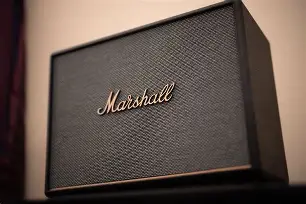
The Woburn Iii follows a design language familiar to Marshall enthusiasts: textured vinyl covering, gold-toned accents, and analog-style knobs and switches on the top plate. This retro-inspired aesthetic aims to fit both modern and vintage setups. The build tends to feel solid, with weighted chassis elements that reduce cabinet vibration and contribute to a premium tactile feel when interacting with the controls.
Sound Signature
One of the most commonly cited reasons buyers choose the Woburn line is its signature: a warm midrange with rich low-end presence and a slightly forward treble that gives vocals and guitar lines clarity. This makes the speaker especially appealing for rock, blues, acoustic and vocal-heavy music. For listeners who prefer analytical, studio-flat sound or very tight, ultra-fast bass typical of some hi-fi monitors, the Woburn's coloration may be less desirable—however, many appreciate this character because it sounds lively without requiring significant EQ adjustments.
Connectivity and Inputs
The Woburn Iii is built for flexibility. It supports wireless streaming for casual, everyday use and provides at least one physical input for integrating with TVs, turntables (via a phono preamp), and legacy audio gear. Typical connectivity options buyers will look for include:
- Bluetooth streaming for phones, tablets, and laptops—convenient for multi-room portability and quick pairing.
- Analog input (3.5mm/AUX or RCA) for wired sources like turntables (through a phono preamp), CD players, or desktop DACs.
- Digital inputs (optical/coaxial) on some variants to connect a TV or game console with lower latency than analog routing.
- Multi-host or multi-device pairing for switching between sources without repeated re-pairing.
Because implementation and supported codecs can vary between product revisions and regional models, it is recommended to check the product manual for exact input formats and any supported Bluetooth codecs—these details affect latency, audio fidelity, and compatibility with devices.
Controls and Usability
Physical rotary knobs for volume, bass, and treble are a hallmark of Marshall devices, offering intuitive, immediate adjustments. A top-plate interface helps when the speaker is used on a bookshelf or low cabinet. Users who prefer app-based control or networked multiroom features should confirm whether the Woburn Iii supports firmware updates or a companion app; some buyers report using a smartphone for initial setup and firmware management when available.
Performance in Real-World Use Cases
Real-world settings determine how the Woburn Iii performs. The following examples capture common buyer priorities and the speaker's practical strengths:
Looking for the best Audio & Headphones deals on Amazon?
Shop Amazon →- Home Office / Desktop Listening: The Woburn Iii can easily replace desktop speakers for users seeking more fullness and room-filling capability. Its tactile controls make short EQ tweaks simple during work breaks.
- Living Room Music System: For listeners who want a single-speaker solution in a small- to medium-sized living room, the Woburn Iii provides satisfying bass and a full soundstage. Placement near a wall can emphasize bass, while free-standing placement reduces bass overhang.
- TV and Casual Gaming: A digital input gives acceptable TV sound improvement over built-in displays. Be mindful of latency when using Bluetooth for gaming or video—wired optical or analog connections generally offer lower audio delay.
- Small Gatherings: The speaker projects well at moderate levels and keeps vocals intelligible during conversation; however, it is not a PA system—very large rooms or noisy outdoor gatherings will exceed its optimal use case.
Pros & Cons
- Pros:
- Stylish, high-quality retro-inspired design that doubles as décor
- Warm, musical sound signature that works well with vocals and classic rock
- Intuitive onboard controls for quick tonal shaping
- Flexible wired and wireless inputs for multiple source types
- Solid construction with attention to cabinet resonance control
- Cons:
- Coloration may not satisfy listeners seeking a strictly neutral reference sound
- Not the smallest option for tight desk setups—requires some space
- Some advanced networked or multiroom features may be limited depending on firmware and regional model
- Placement-sensitive: proximity to walls can muddy the bass if not adjusted
Comparison Table
The following table compares the Woburn Iii to two nearby alternatives buyers commonly consider: a smaller Marshall model geared to desktops and a compact multiroom competitor. This is a high-level comparison intended to highlight where the Woburn Iii sits in the market.
| Feature | Woburn Iii | Smaller Marshall (e.g., Stanmore-style) | Compact Multiroom Competitor |
|---|---|---|---|
| Design | Retro, bold, statement piece | Retro, smaller footprint | Modern, minimalist |
| Sound Signature | Warm, full-bodied, bass-forward | Balanced, slightly forward mids | Neutral, analytical |
| Connectivity | Wireless + multiple wired inputs | Bluetooth + aux | Wi‑Fi multiroom + app ecosystem |
| Ideal Room Size | Small–medium living rooms, larger desks | Small rooms and desktops | Small rooms with multiroom scaling |
| User Focus | Audio character and presence | Versatility on a desk | Smart home integration and streaming |
Buying Guide: What to Consider Before Purchase
Choosing the right speaker is more than hardware—it is about how the product fits a buyer’s listening habits, living space, and sources. Below are practical questions and considerations that typically matter to buyers evaluating the Woburn Iii.
1. Room Size and Placement
Buyers should match speaker size to room size. The Woburn Iii performs best in small to medium rooms where its bass and midrange can fill the space without distortion. For very small spaces or tight desks, consider measuring available depth and width; a physically large speaker may overwhelm ergonomics. Consider placement relative to walls: a few inches to a foot of clearance behind the speaker often improves bass control.
2. Primary Use Case
Decide whether music listening, TV/gaming, or a mixed-use setup is the priority. For music-focused buyers, the Woburn Iii’s character can be a strong selling point. For competitive gaming or home theater, wired connections or speakers designed for low-latency audio may be more appropriate.
3. Connectivity Needs
Check the available inputs on the specific model. If the buyer plans to connect turntables, a phono preamp may be necessary. For connecting to TVs or soundbars, verify the presence of an optical or digital input. Bluetooth convenience is useful for mobile streaming, but buyers relying on lossless file playback or network streaming may prefer devices with a Wi‑Fi ecosystem or explicit support for high-resolution codecs.
4. Sound Preferences
Consider whether the buyer prefers an accurate, flat response or a colored, musical presentation. Marshall speakers are often tuned with a pleasing V-shaped or mid-forward curve that highlights vocals and lead instruments. Auditioning the speaker with familiar music is the best way to determine preference.
Shop the latest Audio & Headphones picks on Amazon.
View Offers →5. Aesthetic and Furniture Considerations
Marshall's vintage look is a design choice. If the speaker will sit in a visible living area, buyers often factor appearance into the decision as much as sonic performance. Also, verify that the chosen location can safely support the speaker’s weight and ventilation requirements.
6. Long-Term Ownership
Warranty, firmware update policy, and replacement part availability matter over time. Buyers who expect to keep gear for several years should evaluate the manufacturer’s track record for updates and support. Additionally, consider whether the speaker’s physical controls and connectors meet foreseeable future needs.
Step-by-Step Setup Guide
This section outlines a practical setup process designed to minimize common pitfalls and deliver optimal sound from day one.
Unboxing and Initial Inspection
- Remove the speaker and accessories from packaging and locate the power cable, quick start guide, and any replaceable feet or mounting hardware.
- Inspect for transit damage and confirm the included accessories match the manual.
Physical Placement
- Place the speaker on a stable surface at ear height when seated for best imaging.
- Allow clearance to the rear and sides—avoid corner placement for reduced boominess.
- Consider isolation pads or a solid shelf to minimize cabinet-transferred vibrations.
Connecting Power and Sources
- Connect the power cable to a surge-protected outlet to reduce damage risk from spikes.
- For TV or console use, prefer digital/optical or direct wired connections for lower latency where available.
- For turntables, route through a phono preamp or a receiver with a dedicated phono input.
Bluetooth Pairing Checklist
- Power on the speaker and enable pairing mode according to the manual (often a front or top-panel button).
- On the source device, use the OS Bluetooth interface to locate and pair with the speaker name listed in the manual.
- If audio stutters, move the source device closer during pairing and check for Wi‑Fi interference from nearby routers.
Tonal Adjustment and Break-in
- Start with bass/treble controls at neutral and gradually adjust to taste using familiar music.
- Allow a break-in period of several dozen hours of varied playback—cabinet and driver behavior may change slightly with use.
Firmware and App (if applicable)
- Check for firmware updates via any available companion app or manufacturer website; updates may improve performance and add features.
- Enable automatic updates if offered and desired to simplify maintenance.
Troubleshooting Quick Tips
- No audio: verify input selection, source volume, and speaker mute status.
- Bluetooth latency: switch to wired digital input for video sources or enable low-latency codec if both devices support it.
- Distorted bass at high volume: back off gain, reposition away from corners, and verify source quality (low-bitrate streams can distort at high volumes).
Maintenance and Care
Regular care keeps the speaker performing well. Dust the cabinet with a soft cloth, avoid direct sunlight which can fade vinyl, and use compressed air on grills if lint accumulates. When storing for long periods, keep the speaker in a cool, dry place and prevent prolonged humidity exposure to avoid grille and fabric degradation.
Conclusion
The Woburn Iii is an attractive option for buyers seeking a speaker that marries characterful sound with tactile controls and flexible inputs. When set up thoughtfully—mindful of placement, source quality, and preferred use cases—the speaker delivers satisfying, musical performance across a range of everyday listening scenarios. For prospective buyers, the key considerations are room size, connectivity needs, and whether the Woburn’s tonal character aligns with personal taste. With careful placement and basic calibration, the Woburn Iii can be an enduring centerpiece for music lovers who value presence and personality in their audio system.